Because you’re worth it

Because you’re worth it
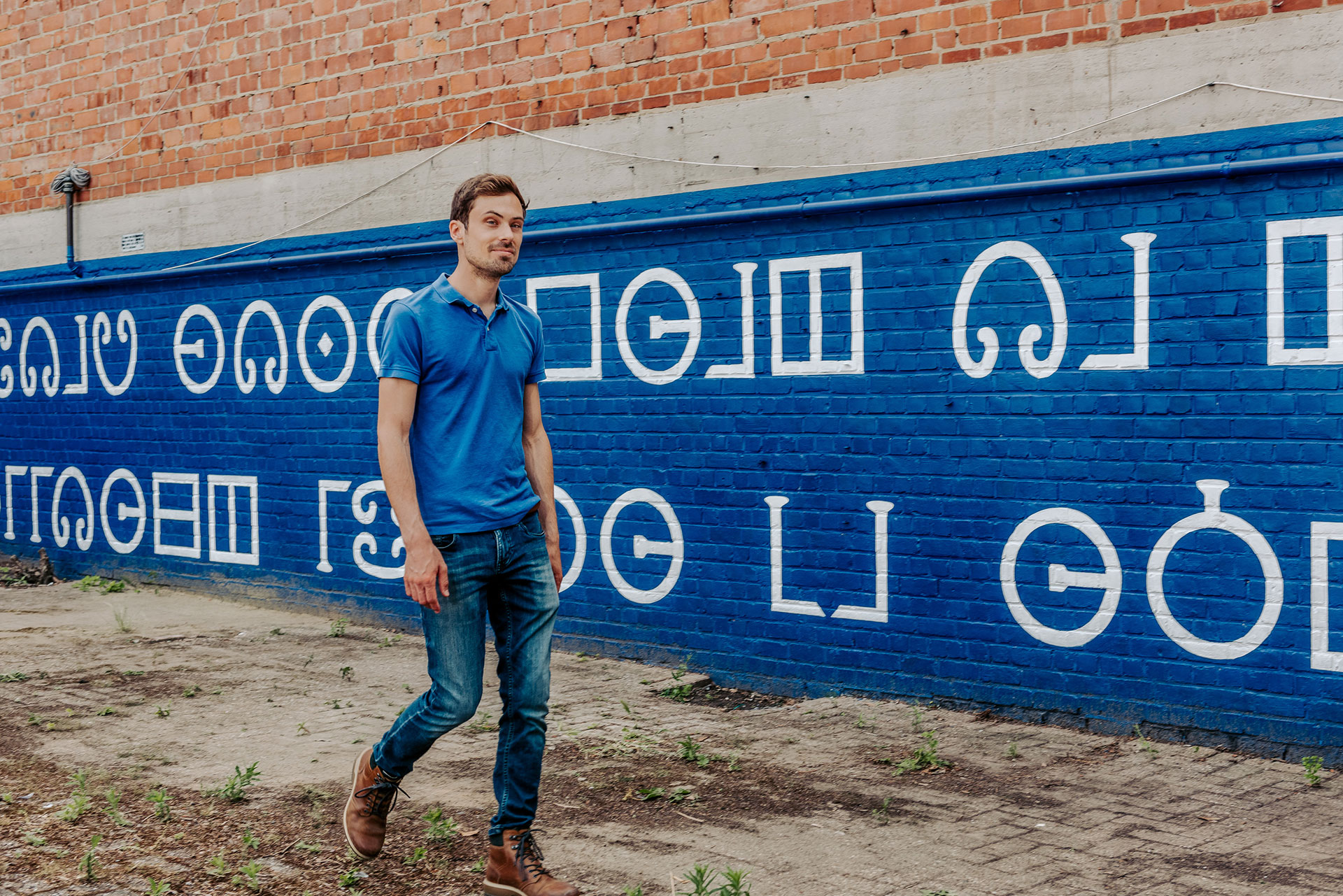
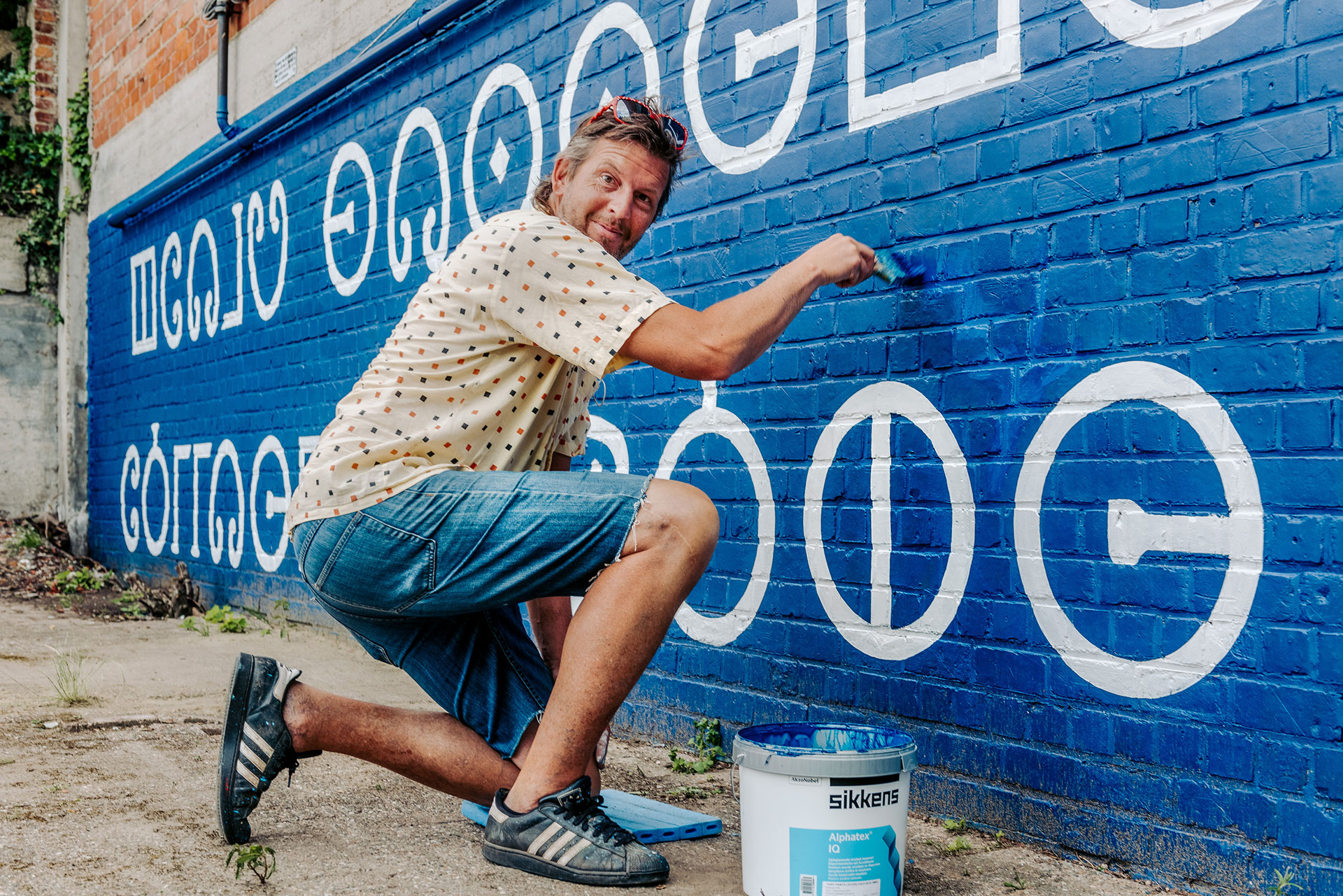
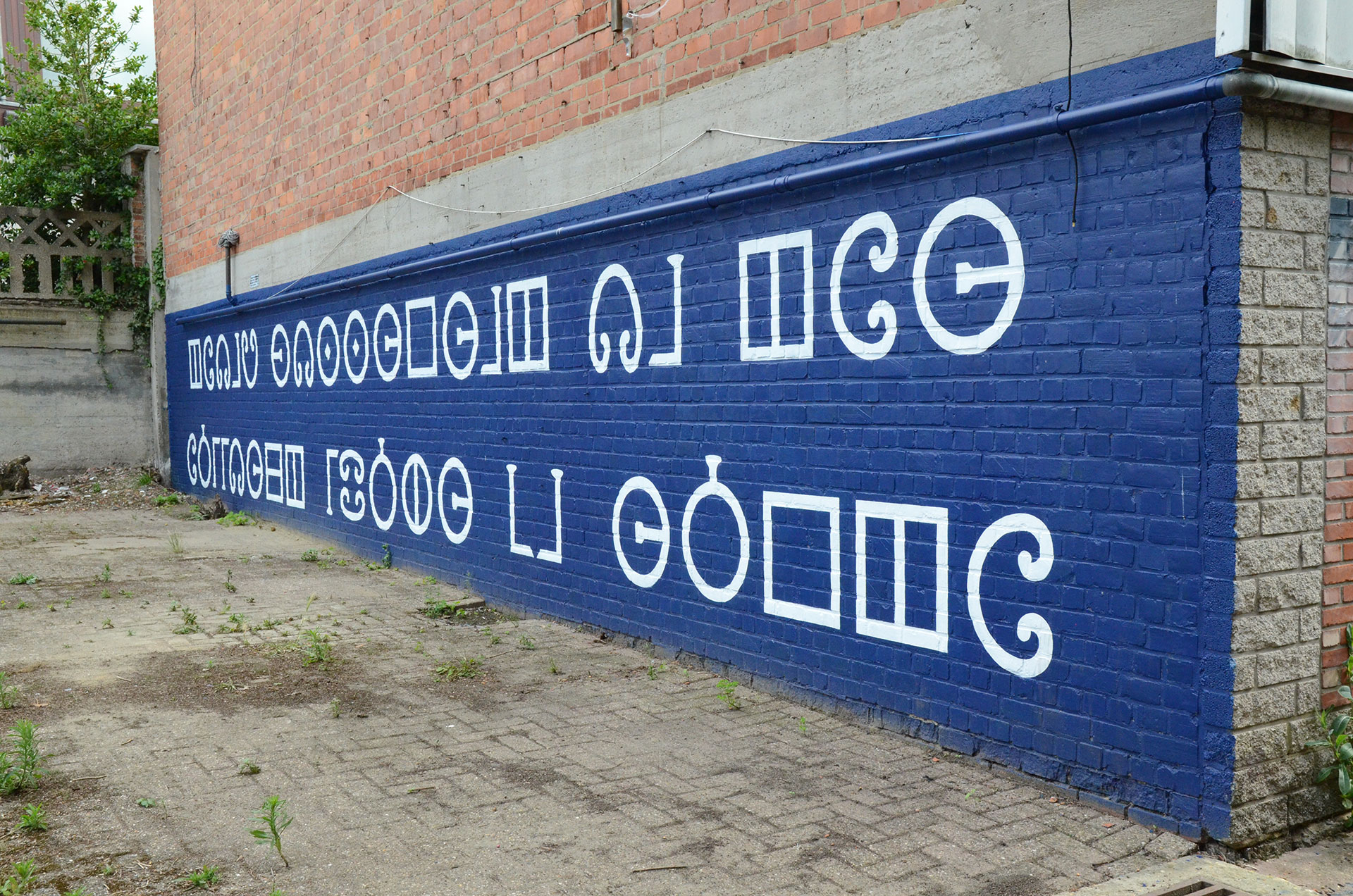
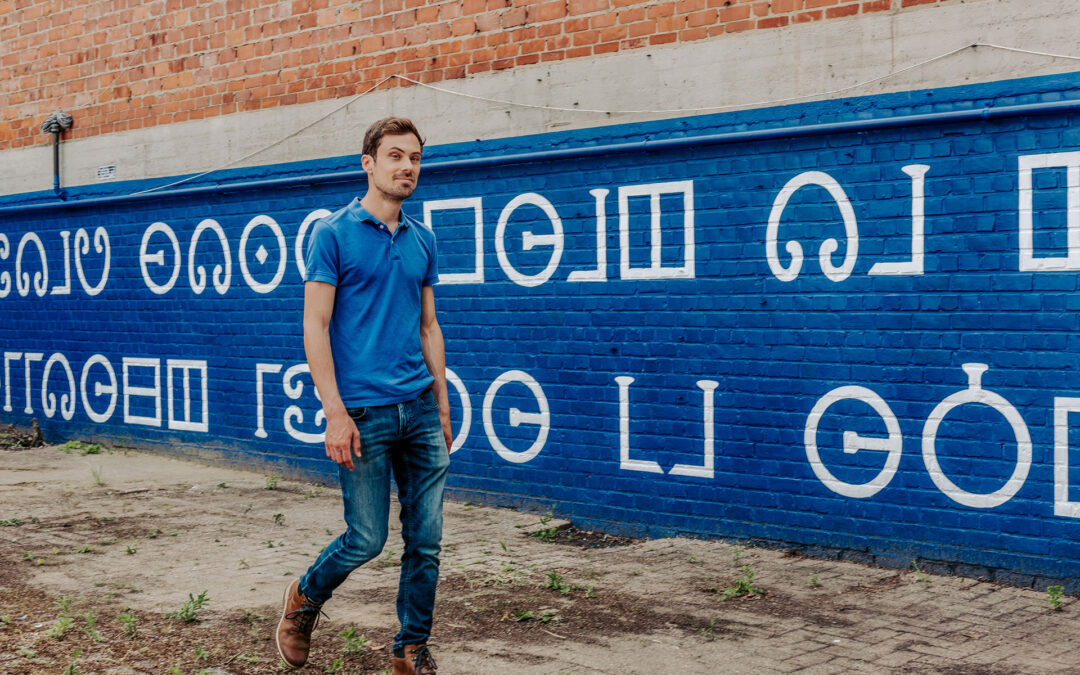
In the early 16th century, Thomas More and Pieter Gillis designed a new alphabet for their Utopia.

In the 21st century, I am giving a new twist to their alphabet.

It’s a nod to Apple‘s famous baseline ‘Think Different‘ and Disneyland‘s baseline: ‘The Happiest Place on Earth’.
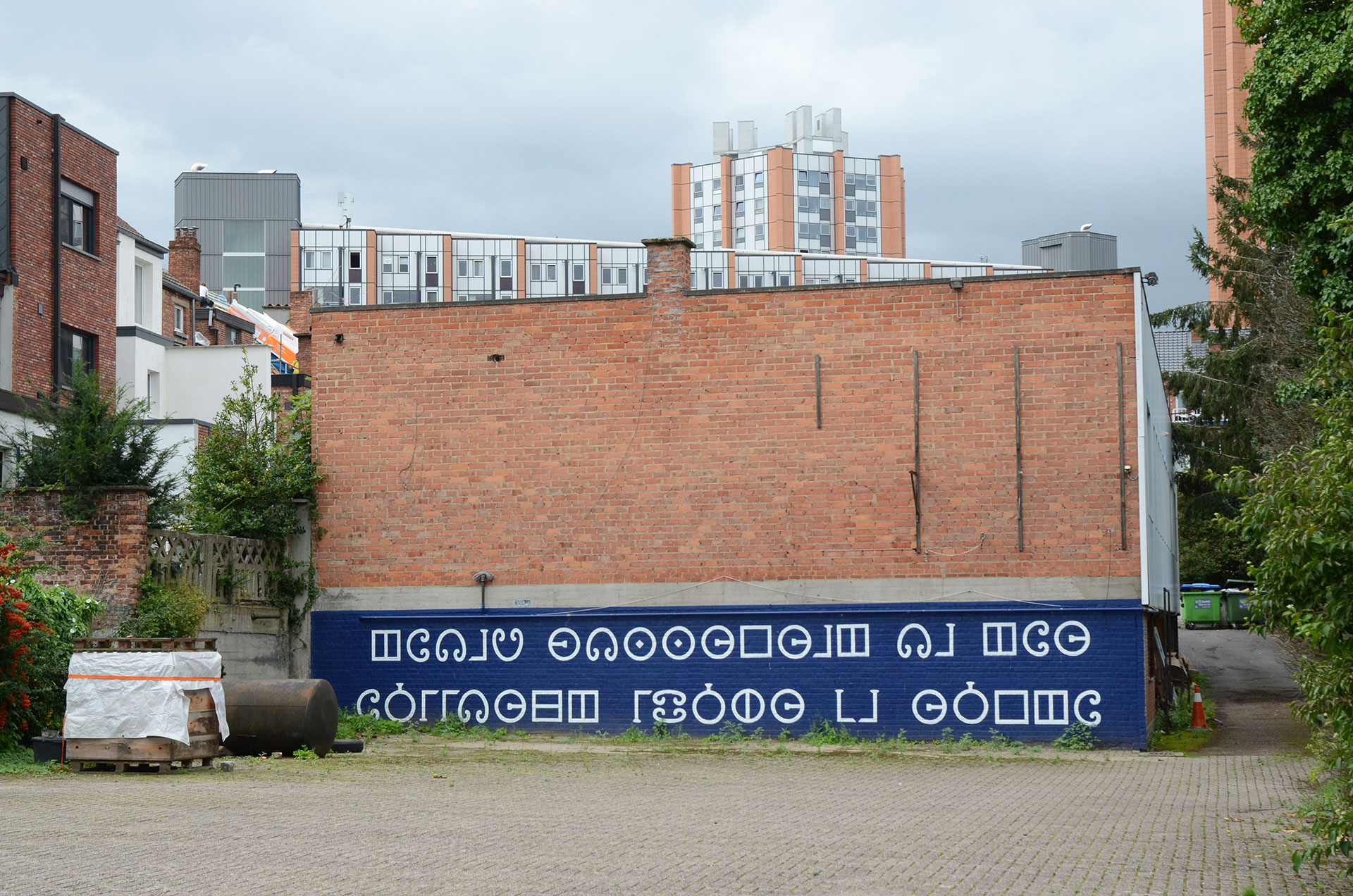
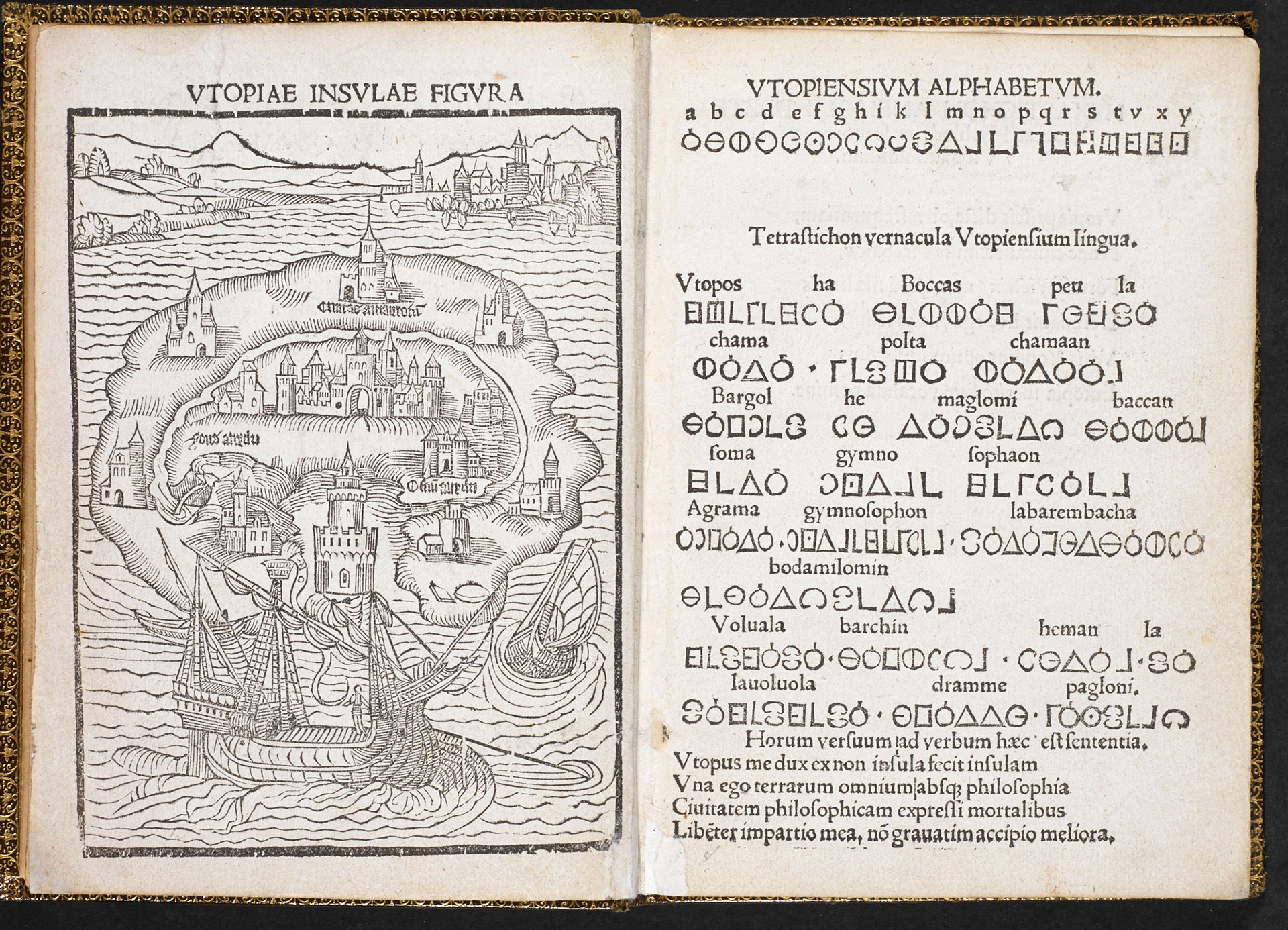
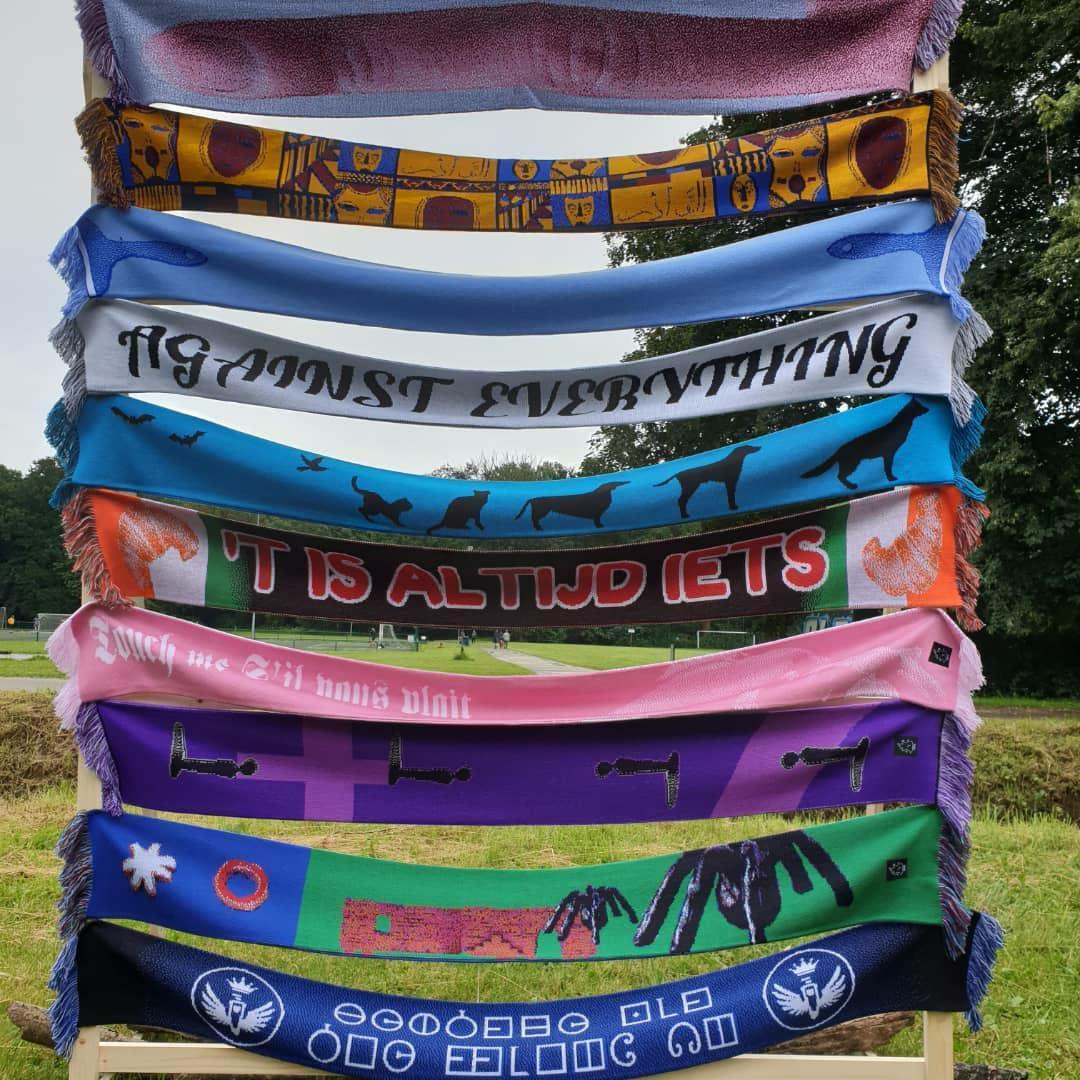
Scarf, designed for the Shaolin Aluba project by Hans Geyens and Siemen Van Gaubergen.

Thanks to Hans Geyens for the paint job.
Somewhere in the Multiverse

Somewhere in the Multiverse

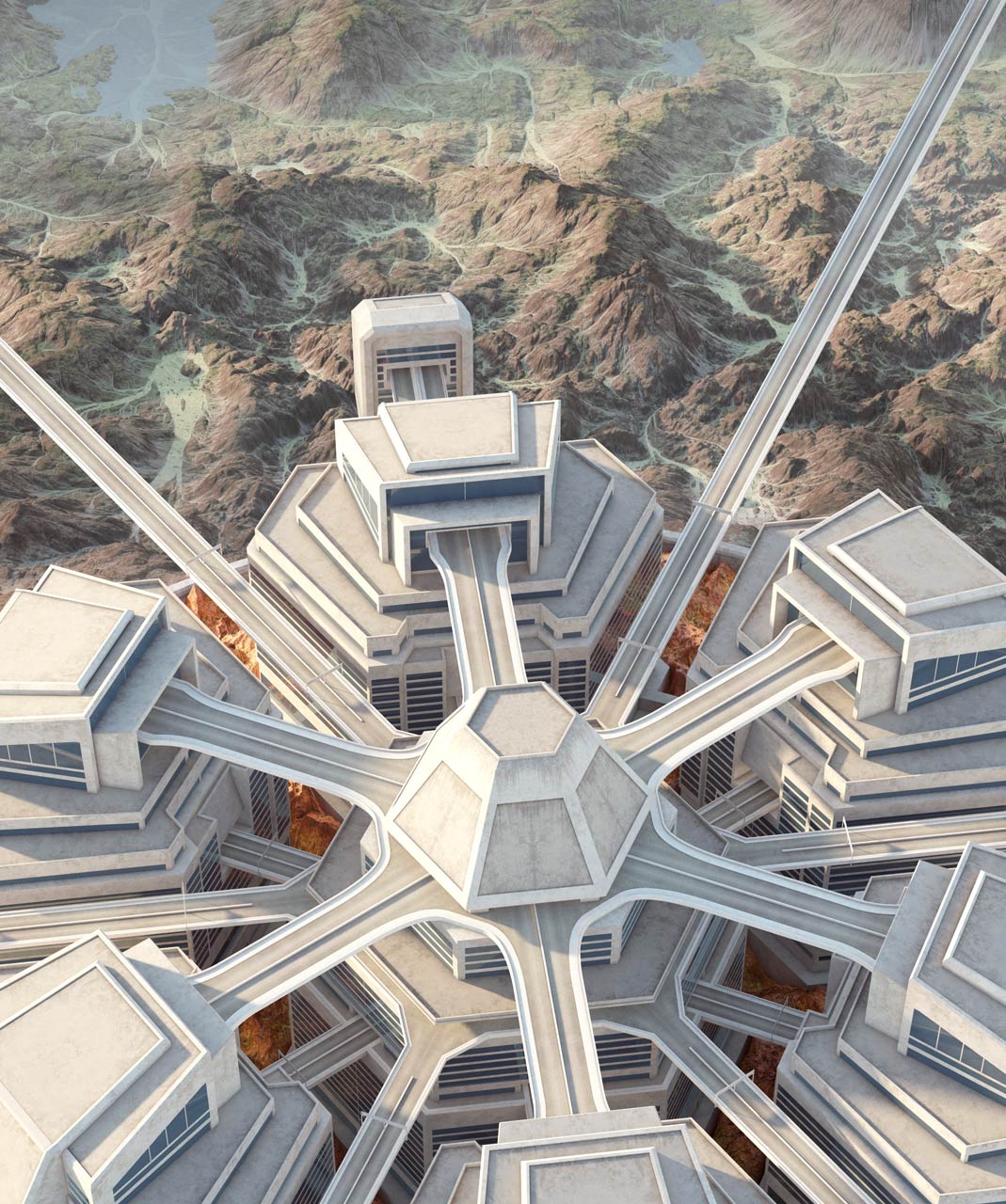
What will the future look like?

Artificial intelligence is already capable of flawlessly imitating a human voice to make a phone call to a restaurant for a reservation. The people involved have no idea they are talking to a machine. The algorithms in use are self-learning and function as a structure that is similar to the structure of the human brain.

How will this trend of rapidly changing technology evolve?

In 30 years, computer games have evolved from a few moving white dots to life-real massive multi-player online games. What will games look like in another 30 years? Suppose a virtual or augmented reality can be projected directly onto our eyes and we can live a part of our day in a virtual world.

Will the virtual and the real world be distinguishable from one another? Will we even be humans any more?

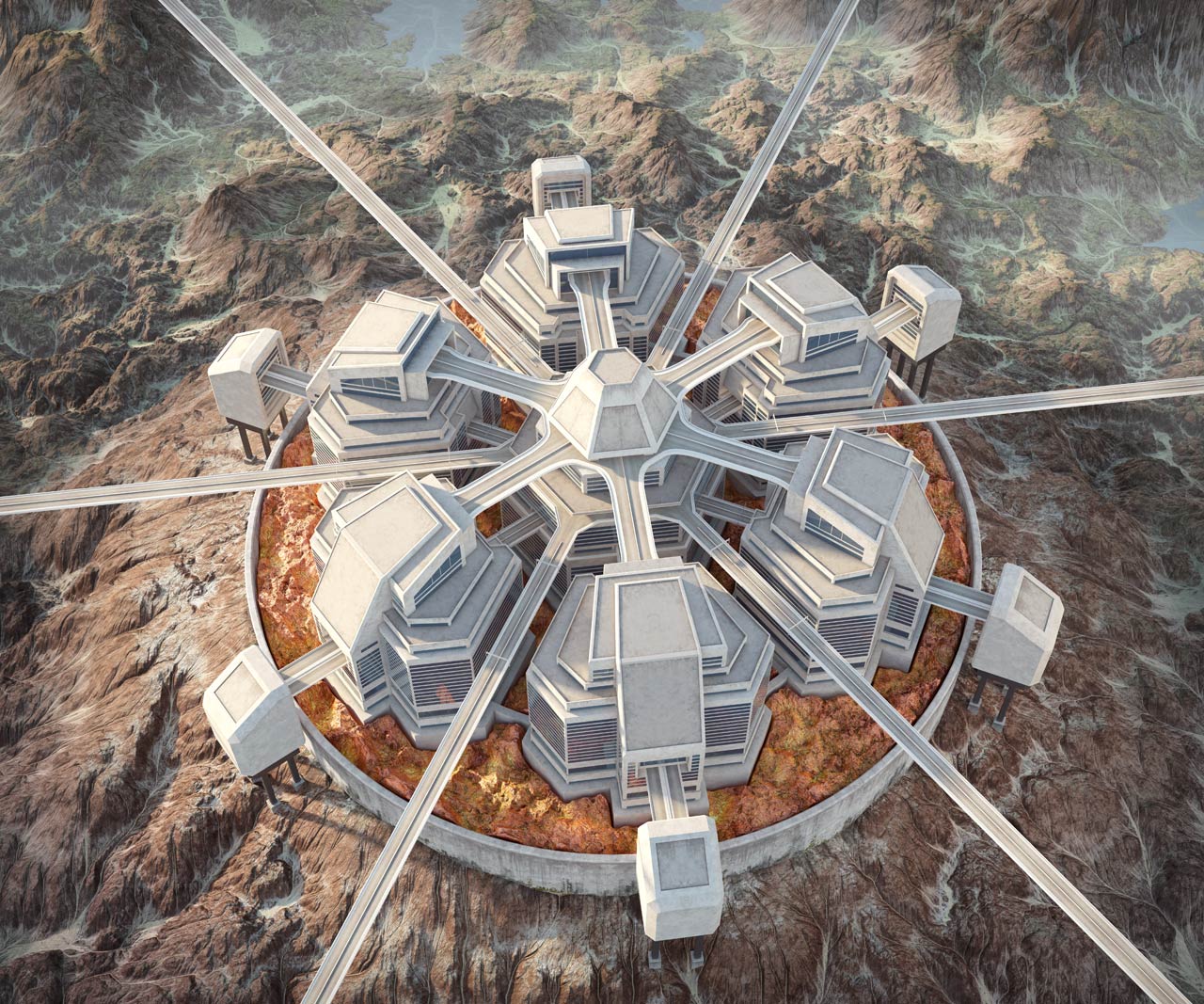
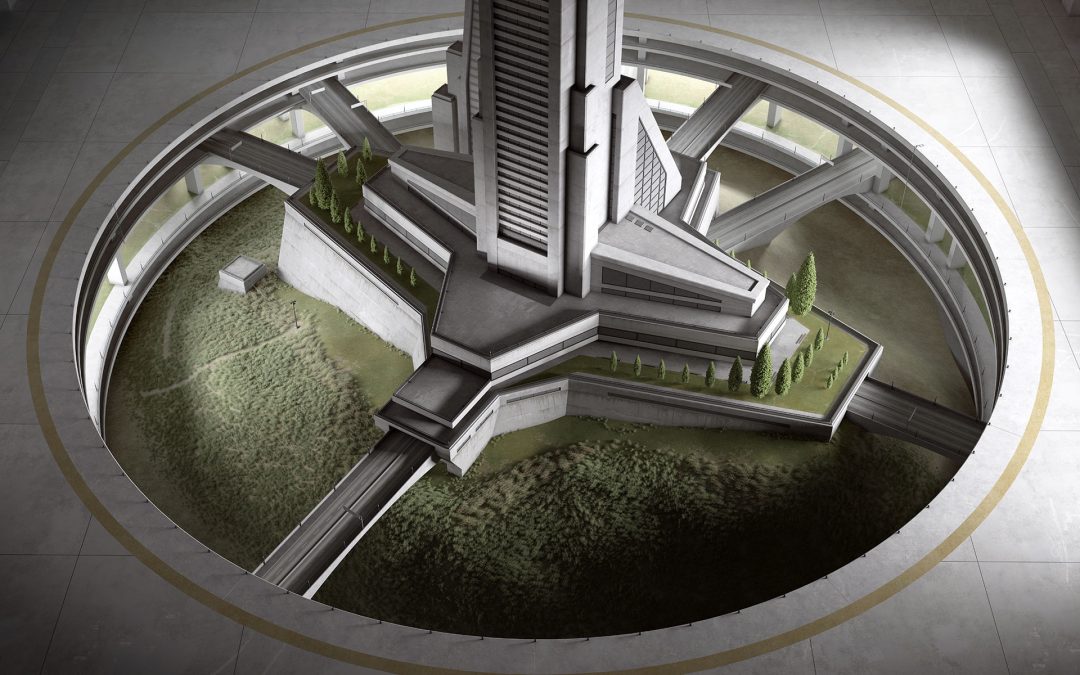
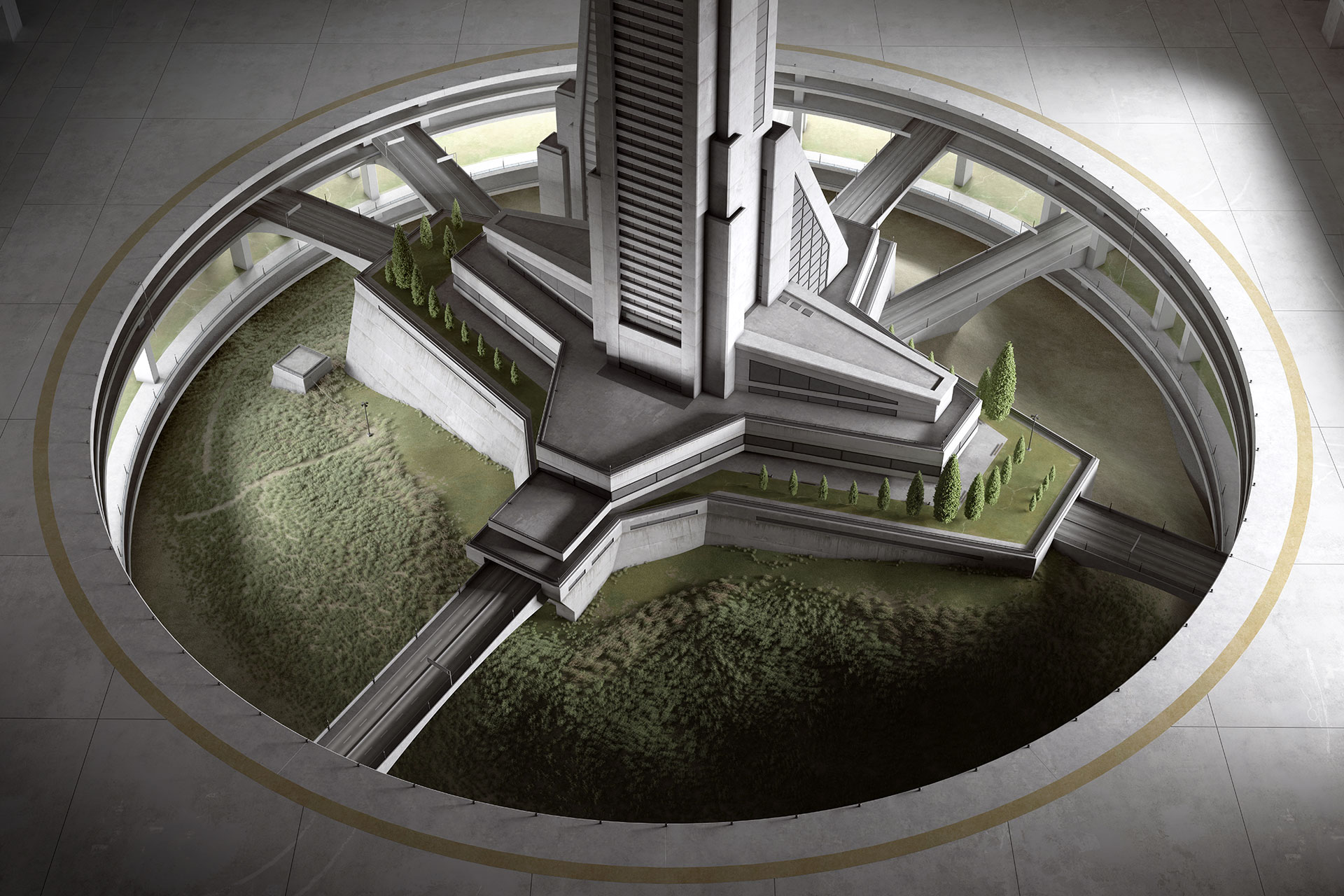
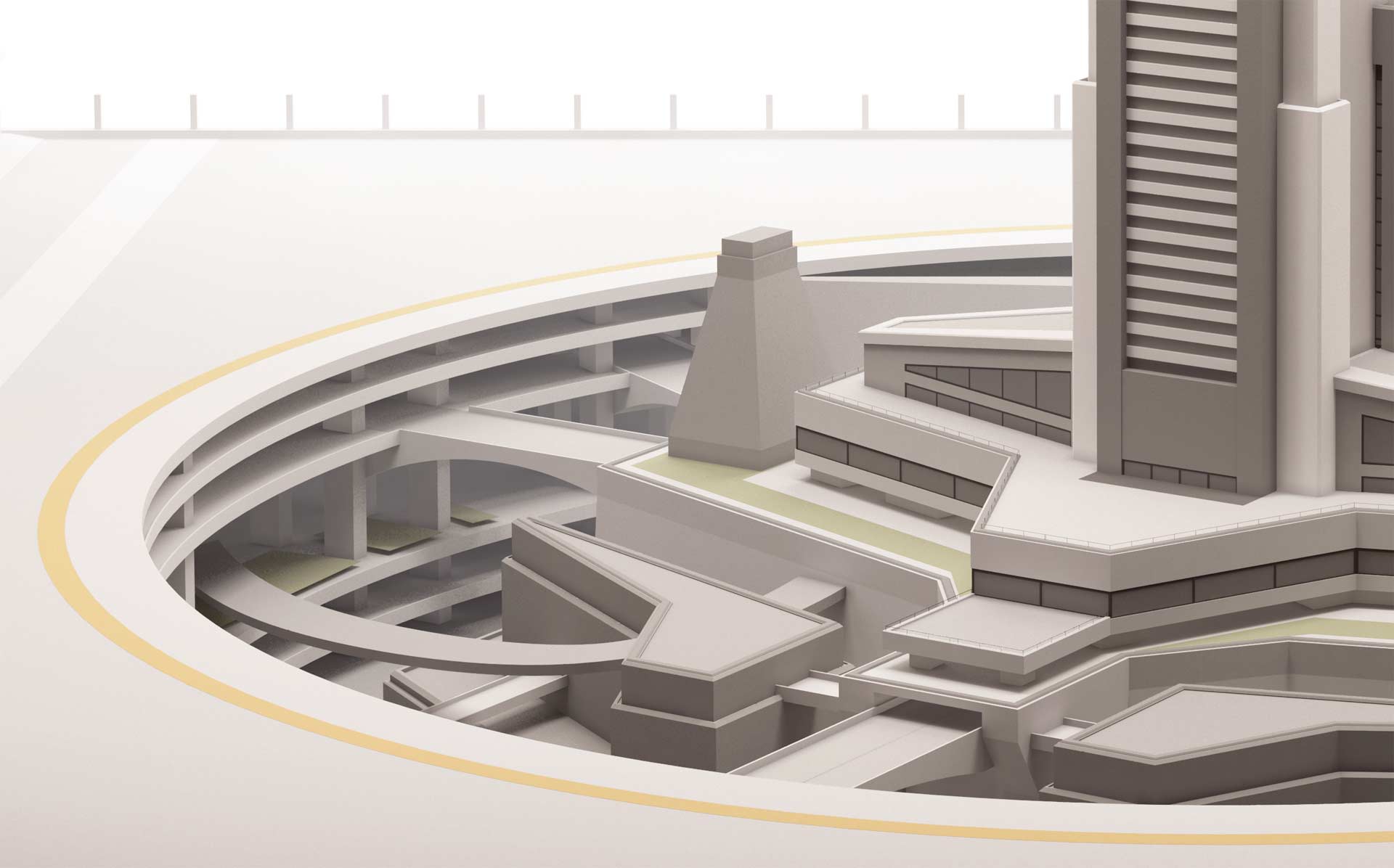
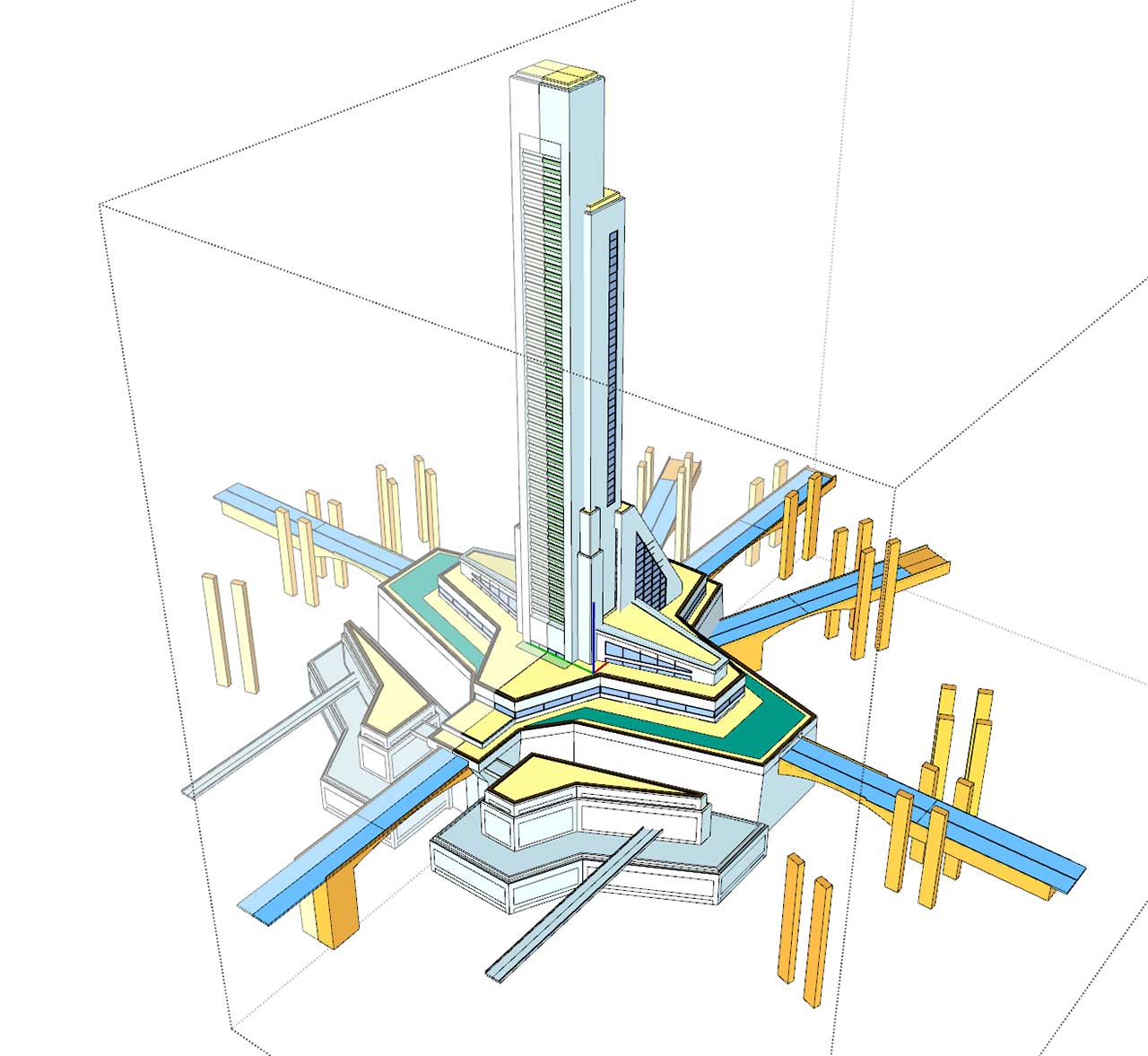
This is what this work is about. The space and time in which these structures are placed is undefined. The surrounding platform can be seen as a meta-level. How many levels of reality could there be? Can you have a virtual world within a virtual world? Will there be a clear border between fact and fiction in our world? Maybe we will live in a world where form follows fiction.


 mix of landscapes result 001


mix of landscapes result 002


mix of landscapes process 001


mix of landscapes result 003


mix of landscapes result 004

Form follows Fiction 4

Form follows Fiction 4

What will the future look like?

Artificial intelligence is already capable of flawlessly imitating a human voice to make a phone call to a restaurant for a reservation. The people involved have no idea they are talking to a machine. The algorithms in use are self-learning and function as a structure that is similar to the structure of the human brain.

How will this trend of rapidly changing technology evolve?

In 30 years, computer games have evolved from a few moving white dots to life-real massive multi-player online games. What will games look like in another 30 years? Suppose a virtual or augmented reality can be projected directly onto our eyes and we can live a part of our day in a virtual world.

Will the virtual and the real world be distinguishable from one another? Will we even be humans any more?

This is what this work is about. The space and time in which these structures are placed is undefined. The surrounding platform can be seen as a meta-level. How many levels of reality could there be? Can you have a virtual world within a virtual world? Will there be a clear border between fact and fiction in our world? Maybe we will live in a world where form follows fiction.

Form Follows Fiction 4
160 x 100 cm, print on German etching paper, floating frame. Limited edition.

Here on display at “A Ves… You Know” in Galerija Kresija, Ljubljana, Slovenia
Sculpture on the floor: Nel Bonte